


The Pentagon has awarded Lockheed Martin (NYSE: LMT) a 10-year, sole-source, indefinite delivery, indefinite quantity (IDIQ) contract worth up to $1.9 billion to continue the C-130J Maintenance and Aircrew Training System (MATS) program. The C-130J MATS IV IDIQ contract enables the U.S. Air Force Life Cycle Management Center to continue providing a comprehensive range of aircrew and maintenance training devices and training support services to C-130J aircrews and maintainers, including courseware, operations, interim and contractor logistics support and engineering services. The C-130J MATS program currently supports U.S. Air Mobility Command, Air National Guard, Air Force Reserve Command, U.S. Marine Corps, Air Force Special Operations Command, and Air Education and Training Command. Under the C-130J MATS IV IDIQ contract, aircrew support will be expanded to include the U.S. Navy Reserve and U.S. Coast Guard.
“This contract award continues the nearly 30-year C-130J franchise and reflects the strong relationship and collaboration between the U.S. Government, Lockheed Martin and our industry partners,” said Todd Morar, vice president of Air and Commercial Solutions at Lockheed Martin. “This latest contract reaffirms the critical importance of the C-130J MATS program in providing 21st Century Security solutions that support the mission readiness of C-130J operational units across the U.S. military.”
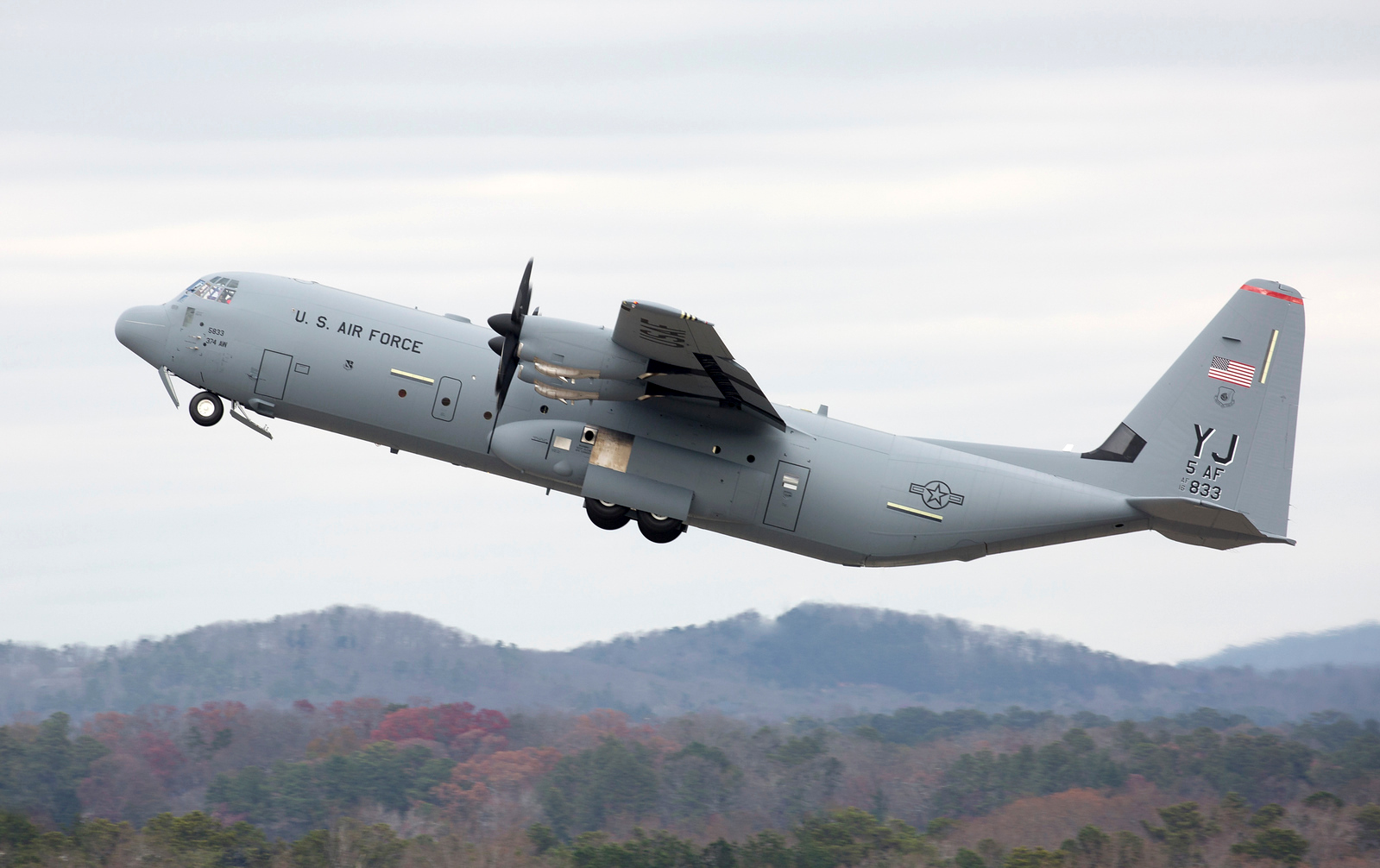
The Lockheed Martin C-130J Super Hercules is a medium-size American four-engine turboprop military transport aircraft. The C-130J is a comprehensive update of the Lockheed C-130 Hercules, with new engines, flight deck, and other systems. The C-130J is the newest version of the C-130 Hercules, and the only model currently in production. As of March 2022, 500 C-130J aircraft have been delivered to 26 operators in 22 countries. To date, more than 560 C-130Js have been delivered and certified by over 20 airworthiness authorities, with the Super Hercules global fleet surpassing 3 million flight hours. Externally similar to the classic Hercules in general appearance, the J-model features considerably updated technology. These differences include new Rolls-Royce AE 2100 D3 turboprop engines, Dowty R391 six-bladed composite scimitar propellers that have blade tips swept by 35 degrees, digital avionics (including head-up displays (HUDs) for each pilot), and reduced crew requirements. These changes have improved performance over its C-130E/H predecessors, such as 40% greater range, 21% higher maximum speed, and 41% shorter takeoff distance. Because of the deicing problem discovered late in the certification program, the C-130J includes a black rubber deicing boot at the bottom of the vertical fin, which is another visual difference from previous versions of the Hercules.


