


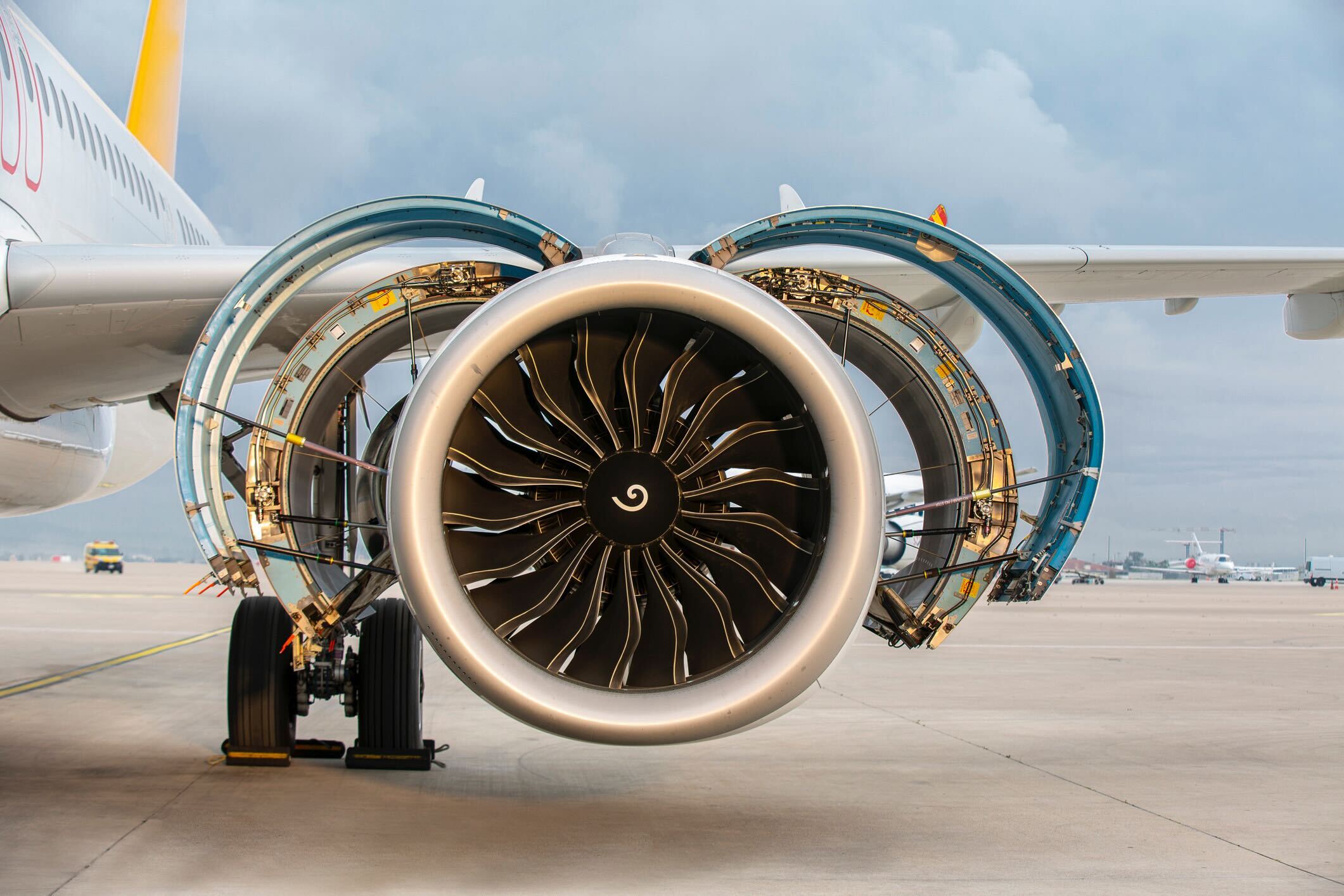
Work has commenced on the integration of the domestically developed PD-8 turbofan engine into the Beriev Be-200 amphibious aircraft platform, signaling a significant step in Russia’s drive toward defense aviation self-reliance and modernization. The announcement was made by the acting governor of Rostov Oblast and former United Aircraft Corporation (UAC) head, Yuri Slyusar, who confirmed that adaptation efforts are already underway at the Taganrog-based Beriev Aircraft Company—a subsidiary of UAC. The PD-8 engine, developed by United Engine Corporation (UEC), was originally designed as a powerplant for the SSJ-100 Superjet and adapted for the Be-200ES amphibious variant. The ongoing certification trials for both the SJ-100 airframe and the PD-8 engine mark a crucial stage in Russia’s attempt to decouple its aviation industry from reliance on imported systems.
The Be-200, renowned for its amphibious versatility and multirole design, is currently operated by Russia’s Ministry of Emergency Situations and has seen extensive international deployment, including firefighting missions in Greece, Portugal, Italy, and Turkey. Its ability to scoop up to 12 tonnes of water in 14 seconds while gliding on the surface, coupled with its capability to operate from both land and water, makes the aircraft especially valuable in rugged and remote terrain. The aircraft is equipped with eight underfloor water tanks and can deliver single or multiple water drops over wildfire zones. In addition to its primary role in aerial firefighting, the Be-200 platform is highly modular. It can be reconfigured for maritime patrol, search and rescue (SAR), cargo transport, passenger services, and even anti-submarine warfare operations. A dedicated SAR variant accommodates up to 45 survivors, while a medevac version can carry 30 stretcher patients and medical personnel.
The current effort to transition the Be-200 to the PD-8 powerplant is viewed as an essential upgrade path to ensure fleet viability amid geopolitical restrictions on foreign components and engines. The move not only enhances operational autonomy but also opens potential export opportunities with reduced dependence on Western suppliers. Originally derived from the Beriev A-40 Albatross amphibious jet, the Be-200 Altair owes its name to a company-wide competition, where “Altair” represents a symbolic fusion of the Taganrog (TA) and Irkutsk (IR) production centers. As the Be-200 fleet expands its mission set, engine standardization with the PD-8 will likely streamline logistics and maintenance for operators. Once certification is completed and integration finalized, the PD-8-powered Be-200 is expected to demonstrate improved performance and mission flexibility across multiple sectors—civil defense, disaster response, and potentially military maritime surveillance.


